TALK · · 27 SLIDES
Updated
Never Mind the Threat Hunting, Here Comes Signals Engineering
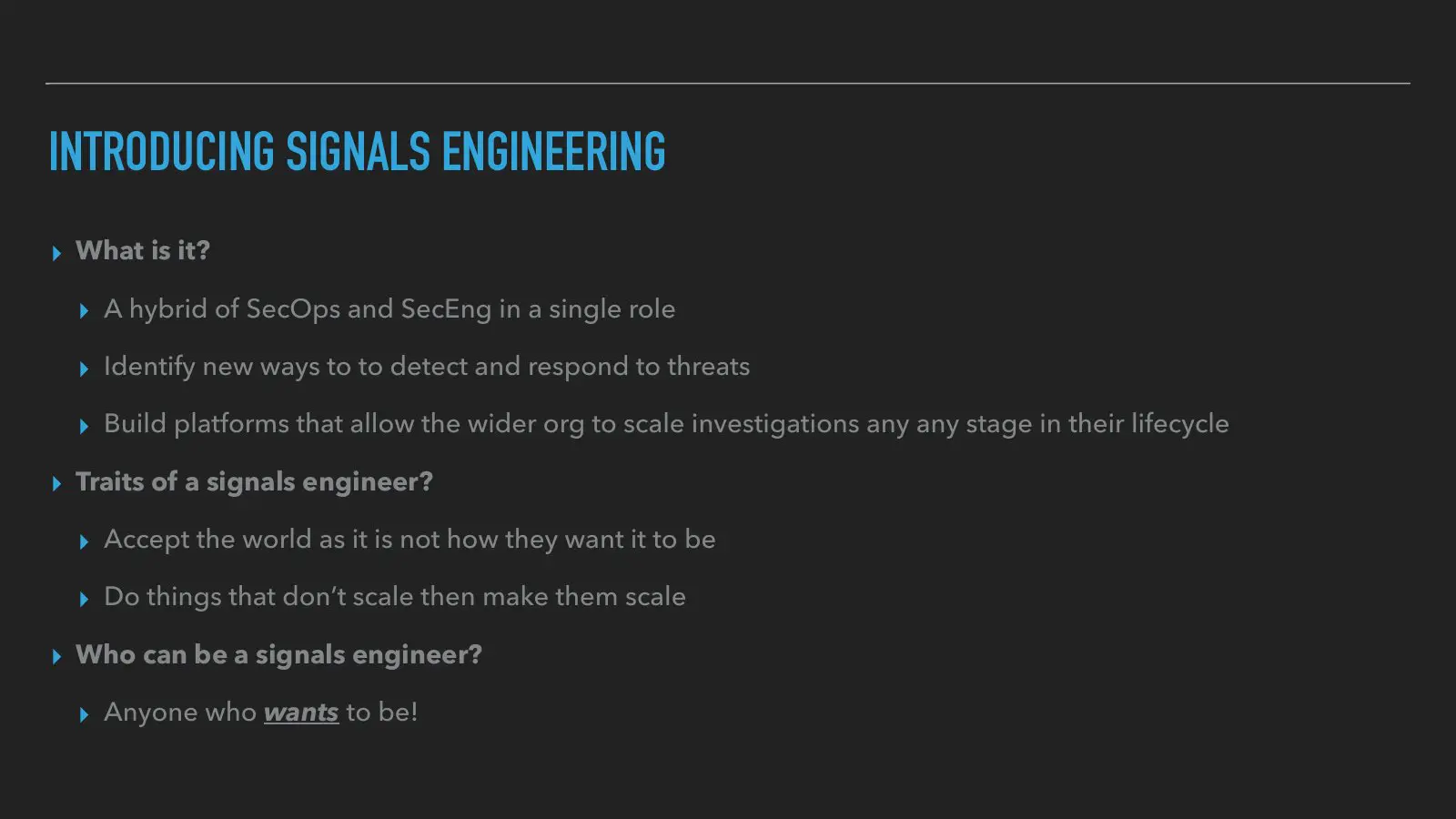
Slides from my BSides Belfast 2024 talk on signals engineering, a hybrid of SecOps and SecEng aimed at finding the security events nobody else is looking for.
Delivered at BSides Belfast on 12 September 2024 at the Europa Hotel, Belfast. Portions of this talk were later adapted into the Oracle blog post Behind the Scenes: Logonomics. Use the arrows or your keyboard to step through the deck.
The argument
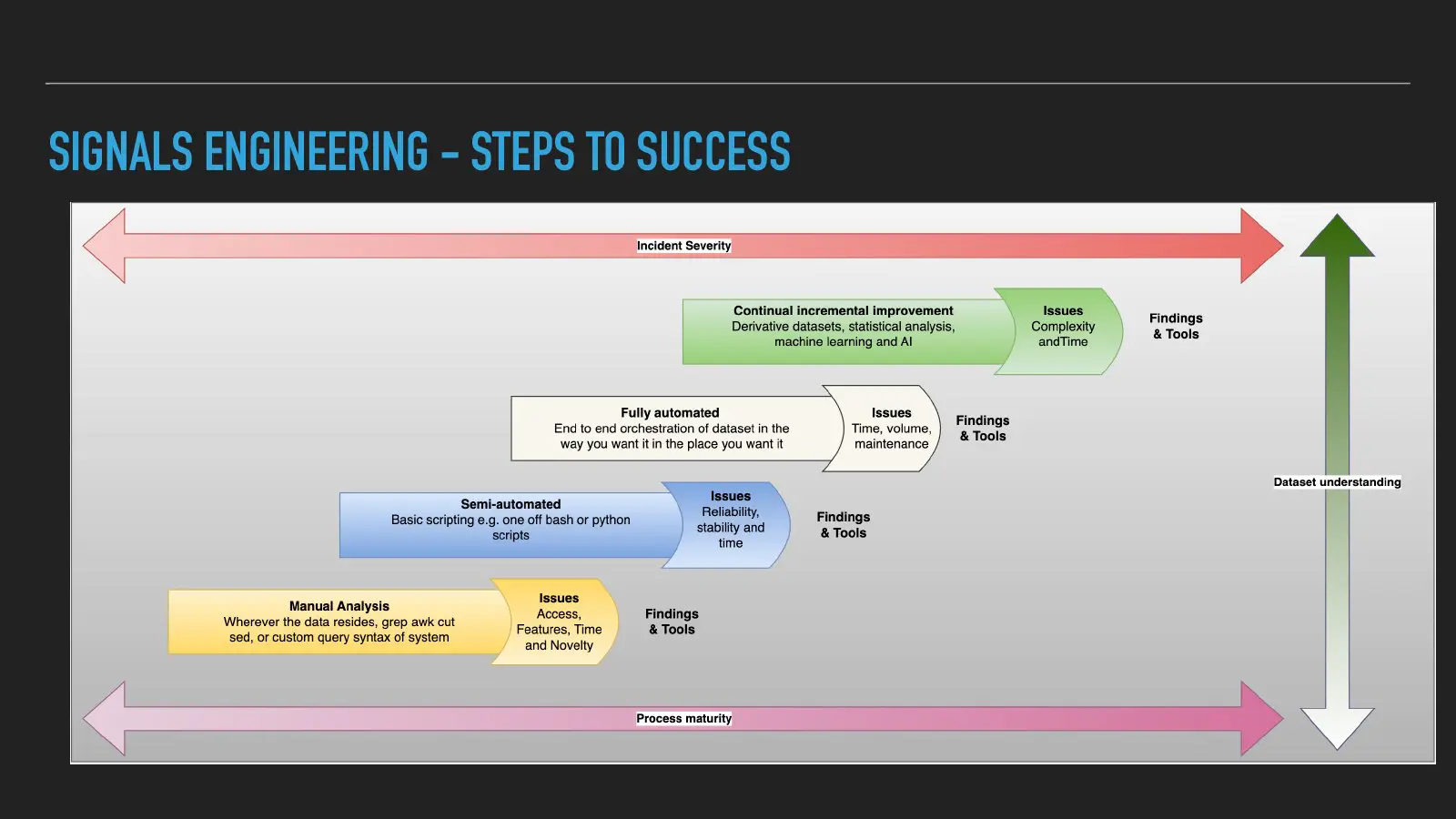
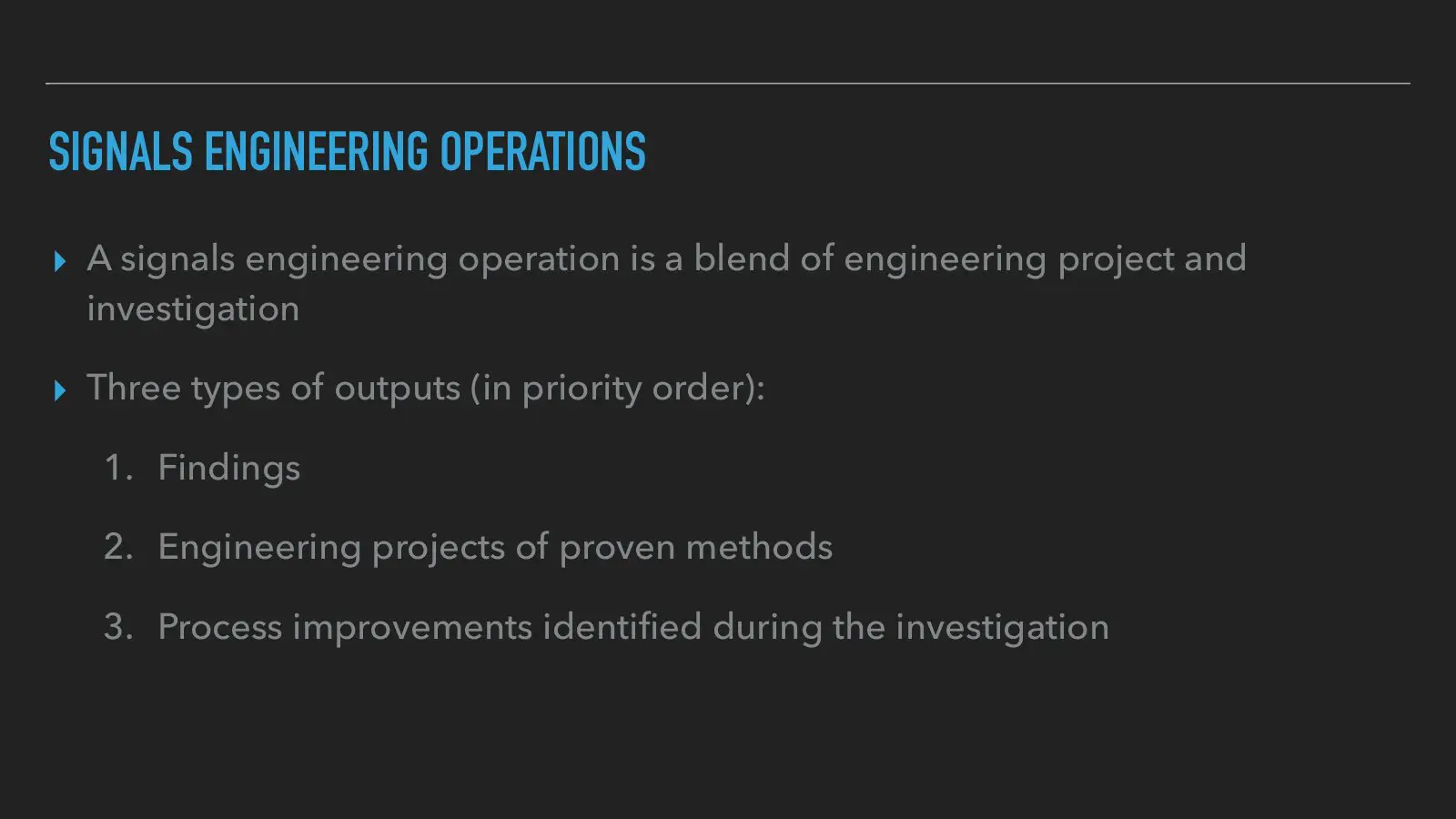
Threat hunting can produce more than a finding. It can reveal a useful dataset, prove an investigative method, or expose a process that makes the next investigation harder than it needs to be. Signals engineering is the name I use for the work that joins those discoveries to engineering, so that the useful methods become repeatable and other people can use them.
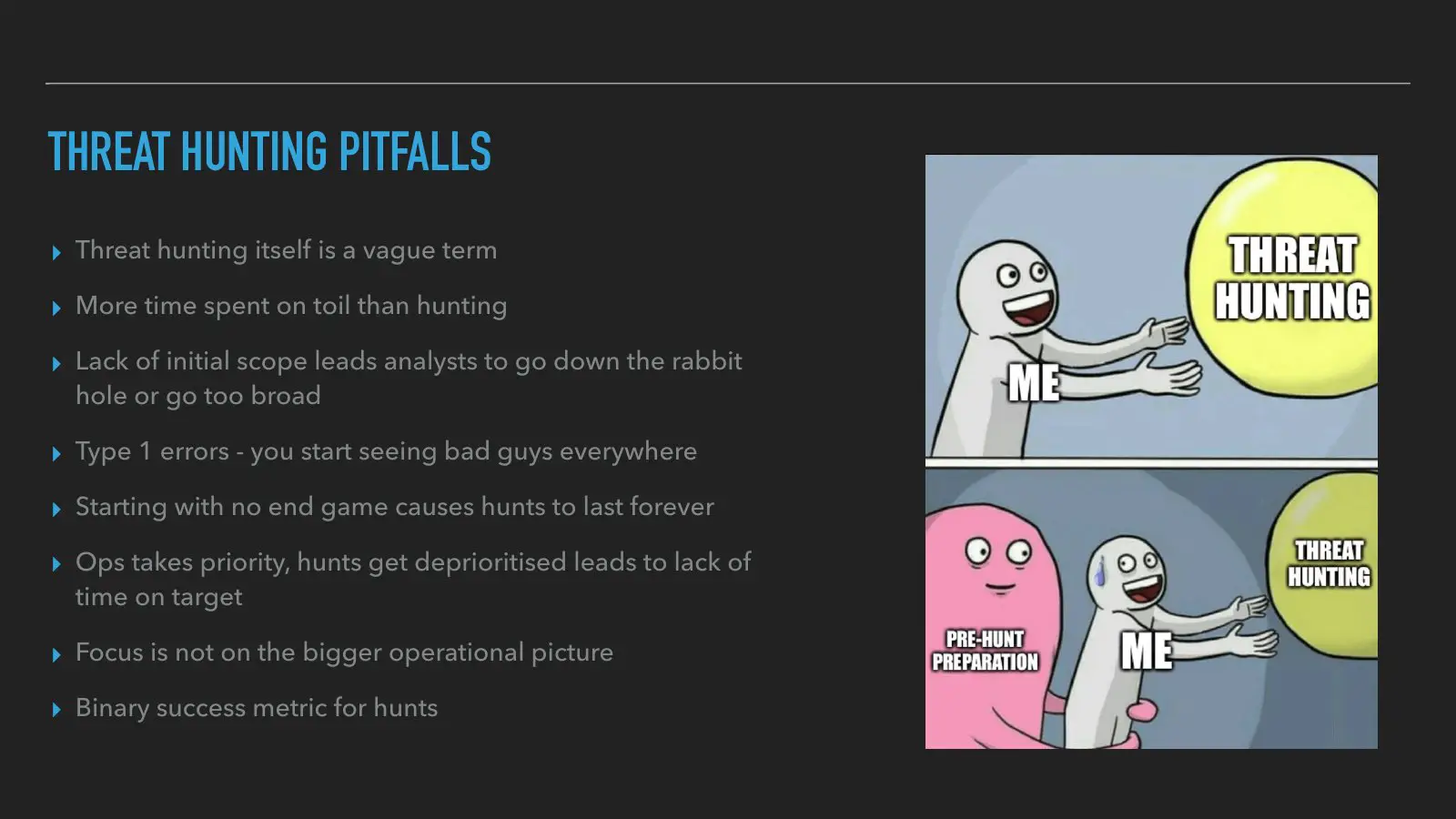
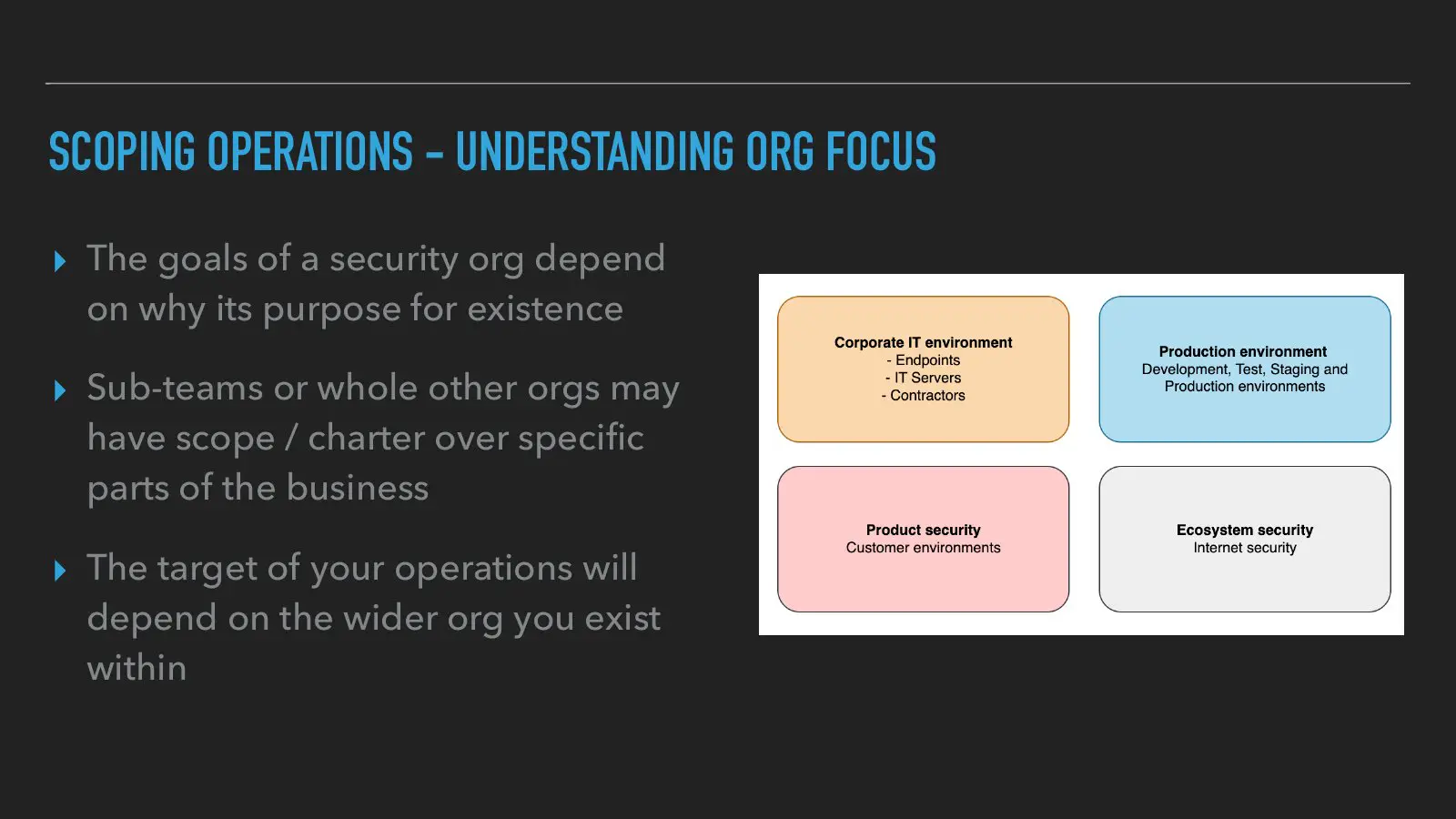
The talk starts with familiar hunting problems. A vague question turns into a rabbit hole, and operational work interrupts the investigation. Success then gets reduced to whether an incident was found, even when the work uncovered a valuable capability gap. Defining the scope and intended outputs early makes those problems easier to recognise.
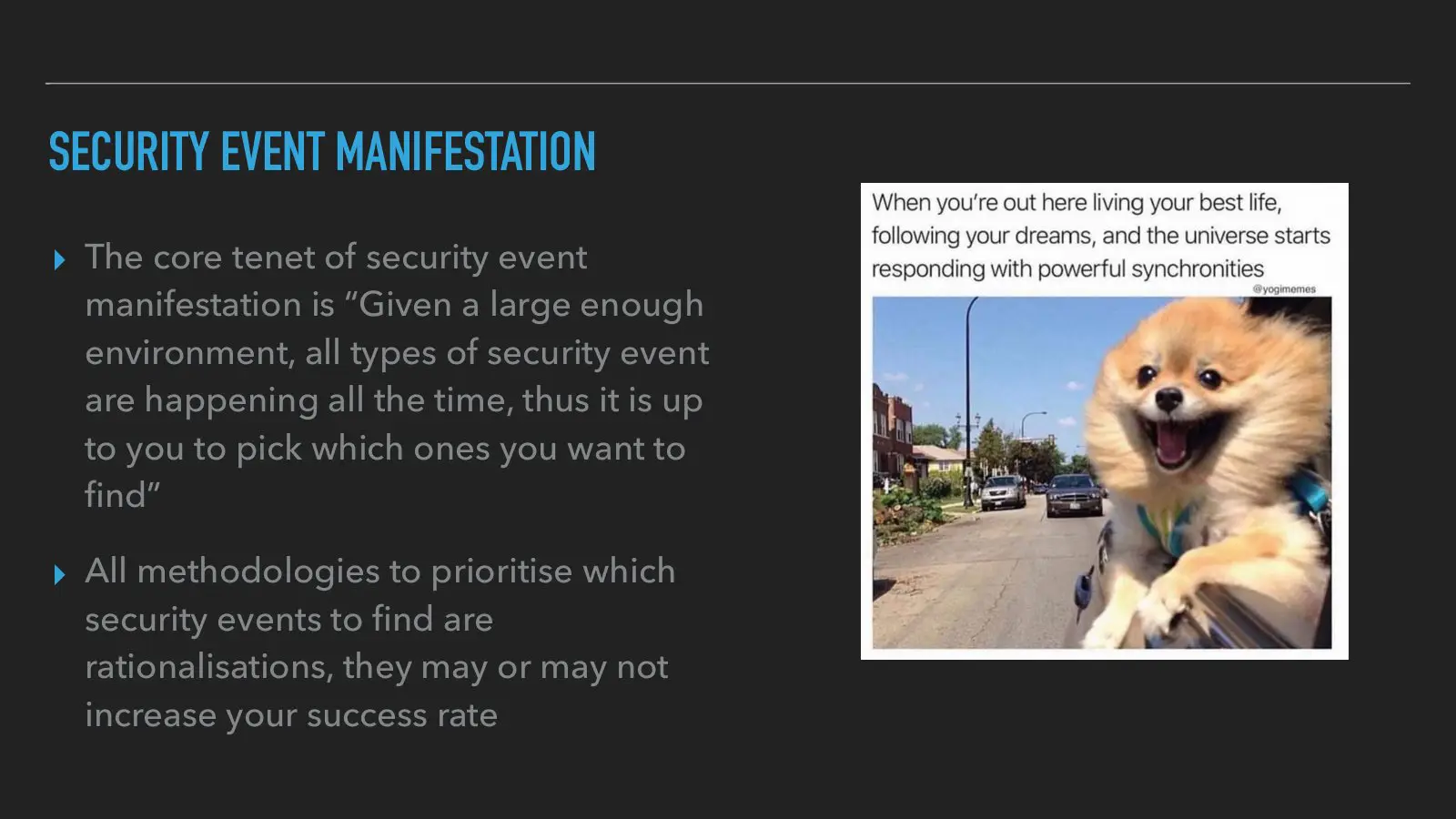
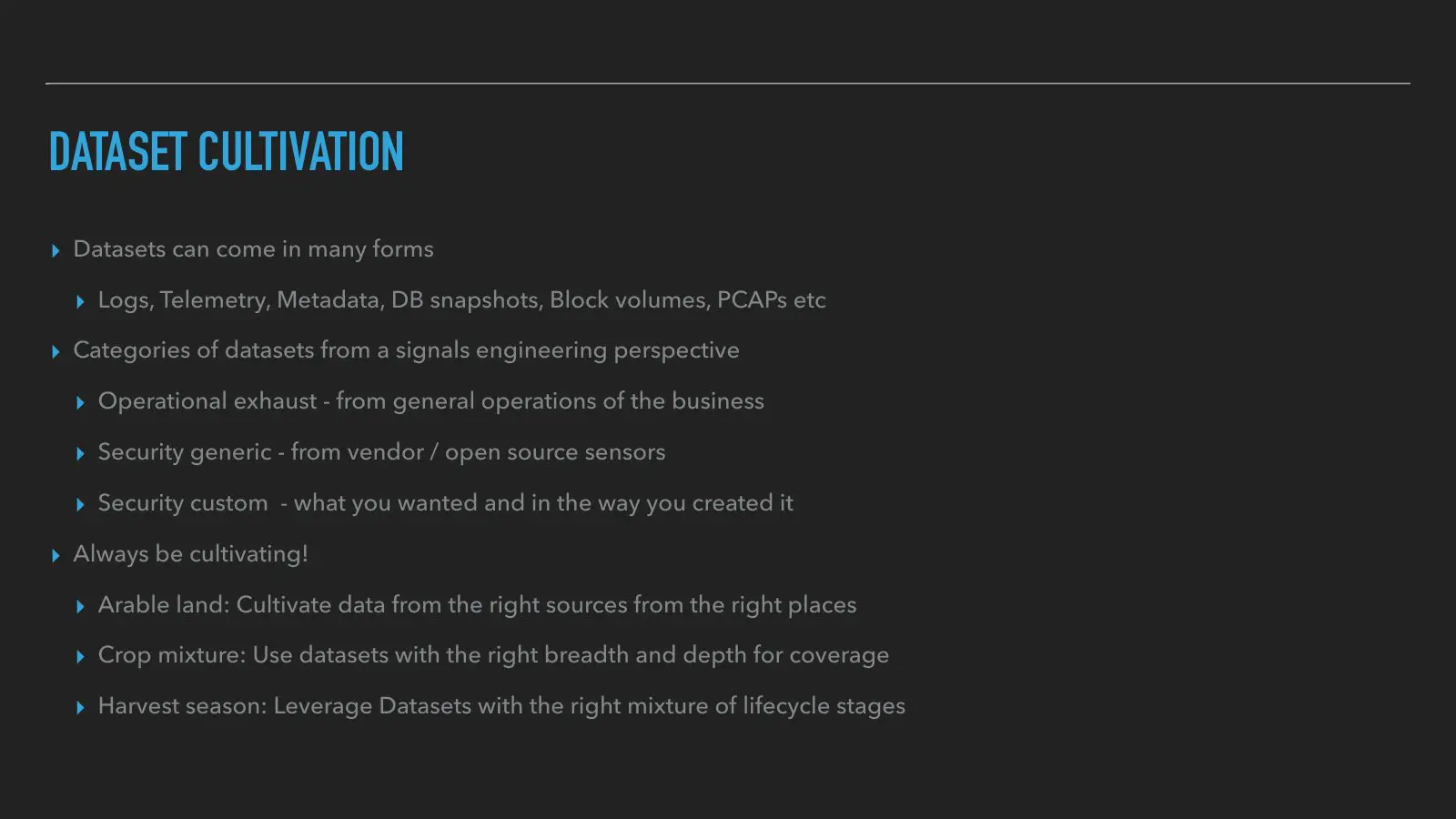
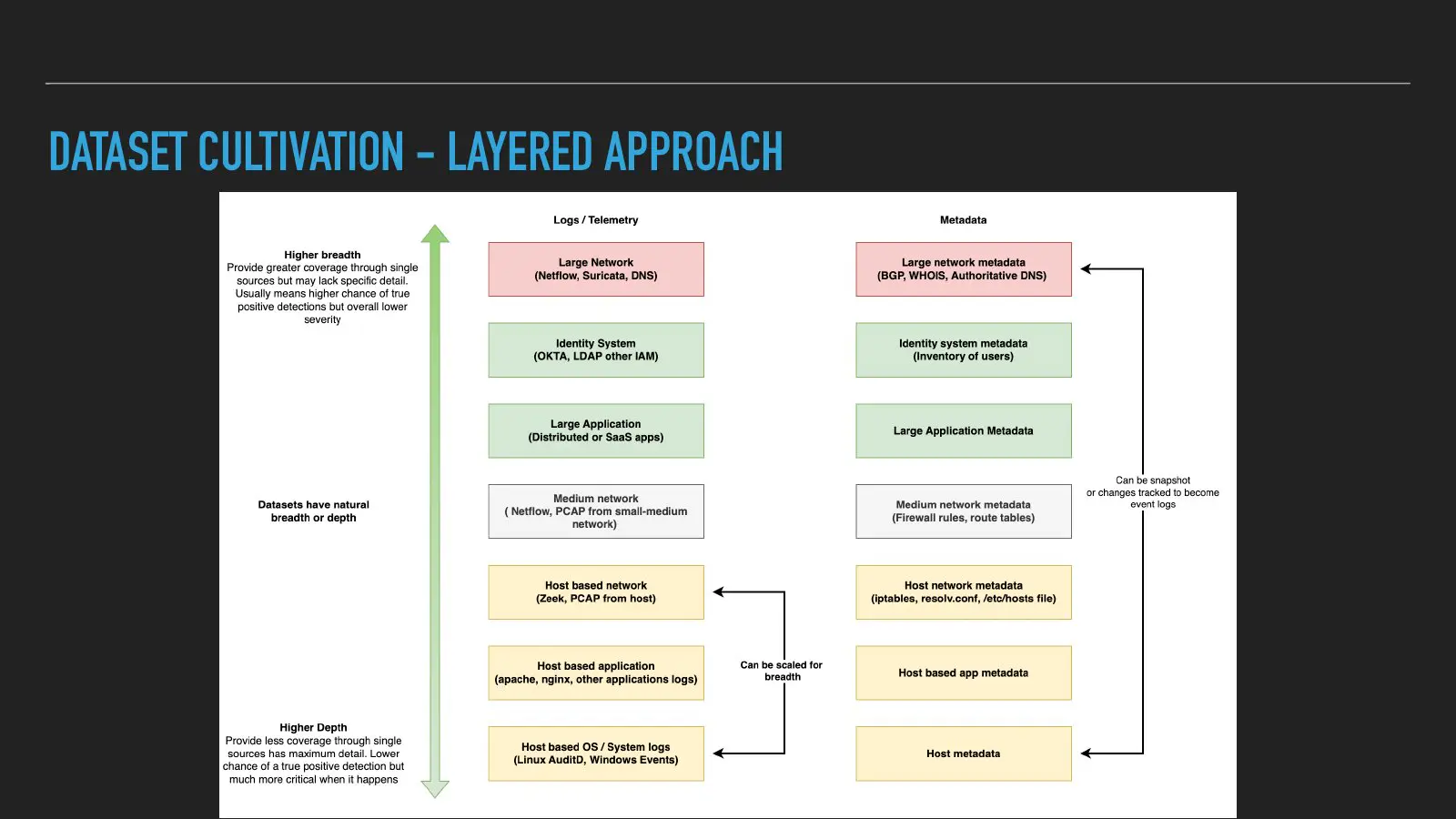
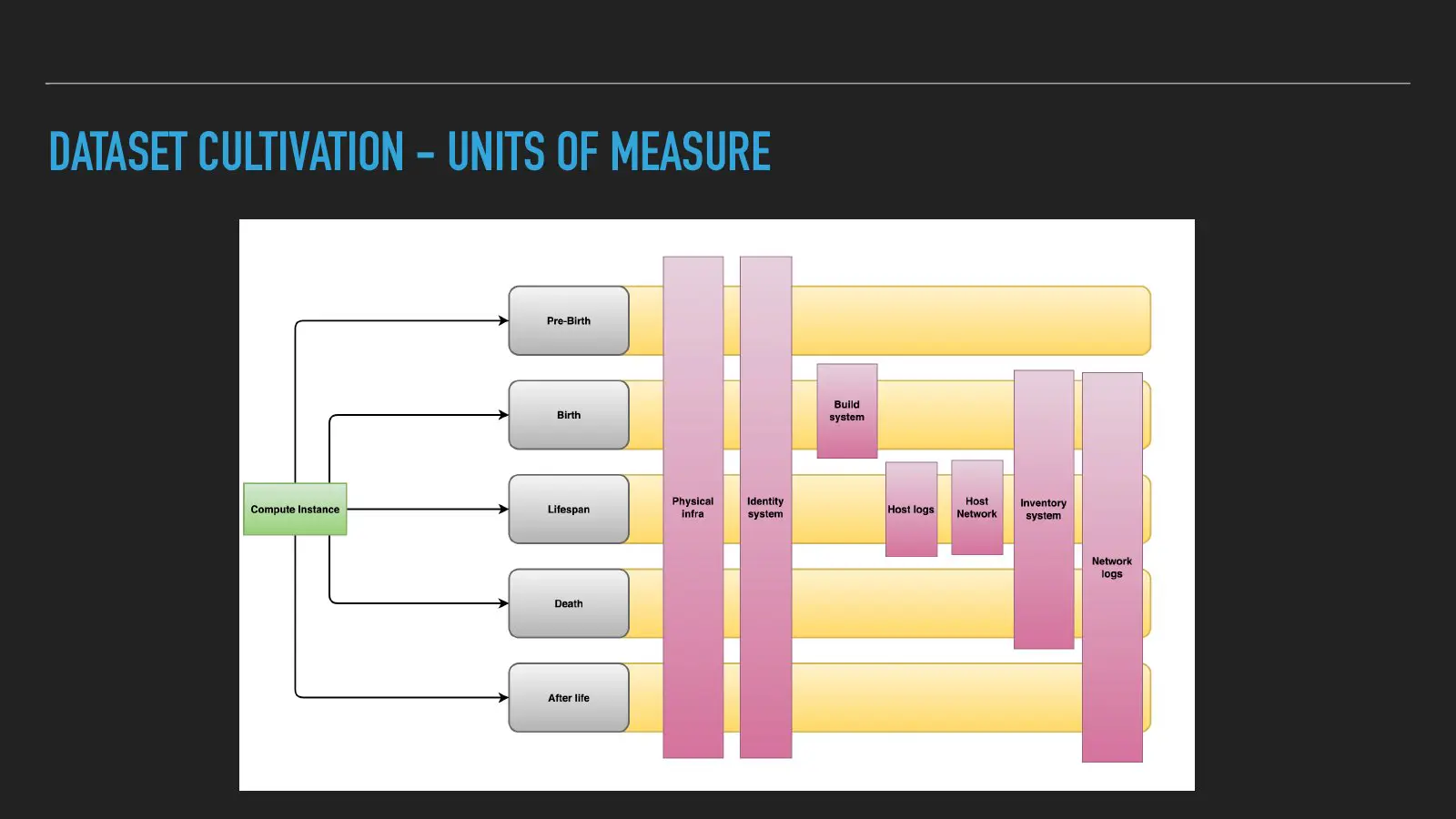
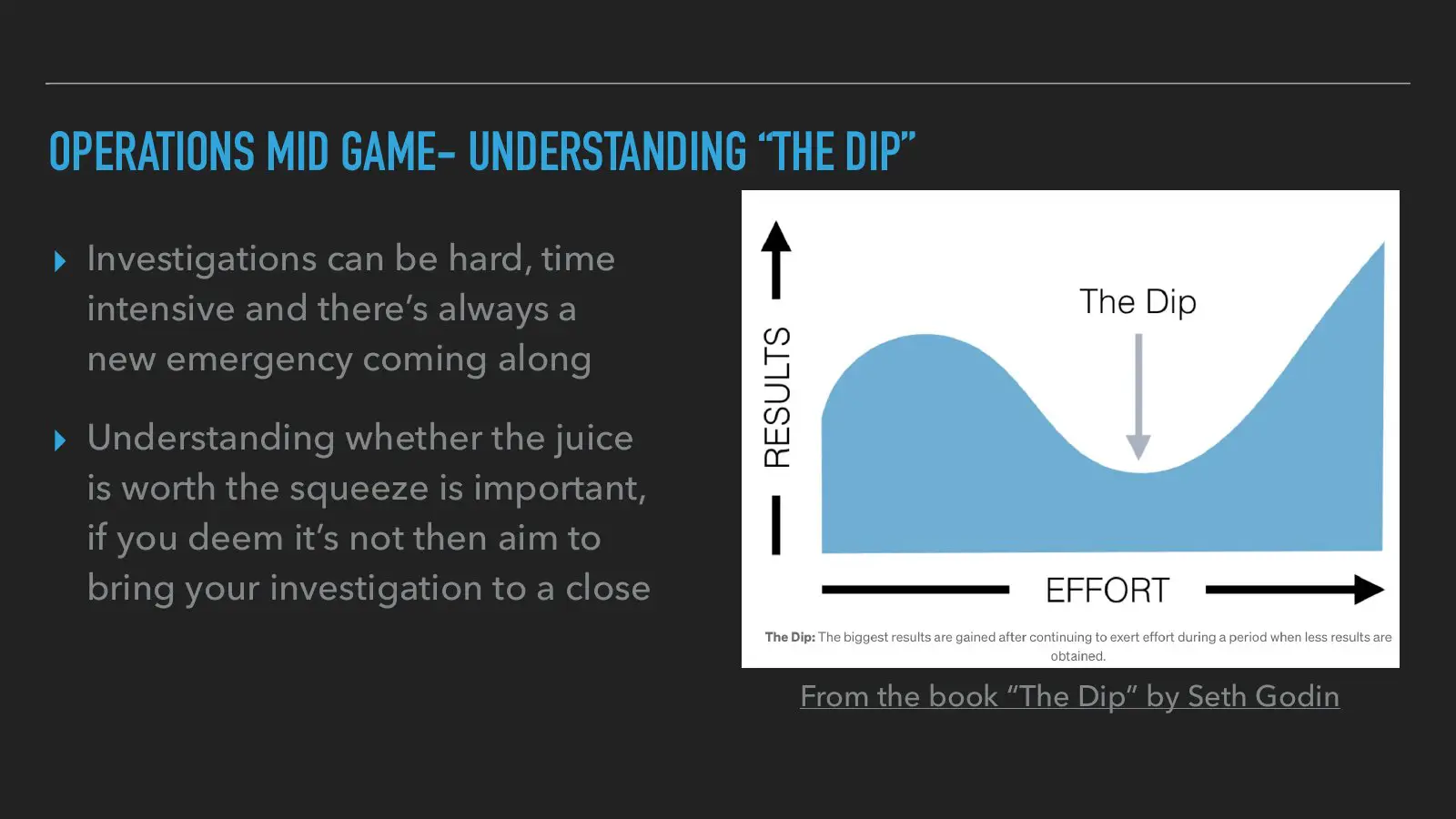
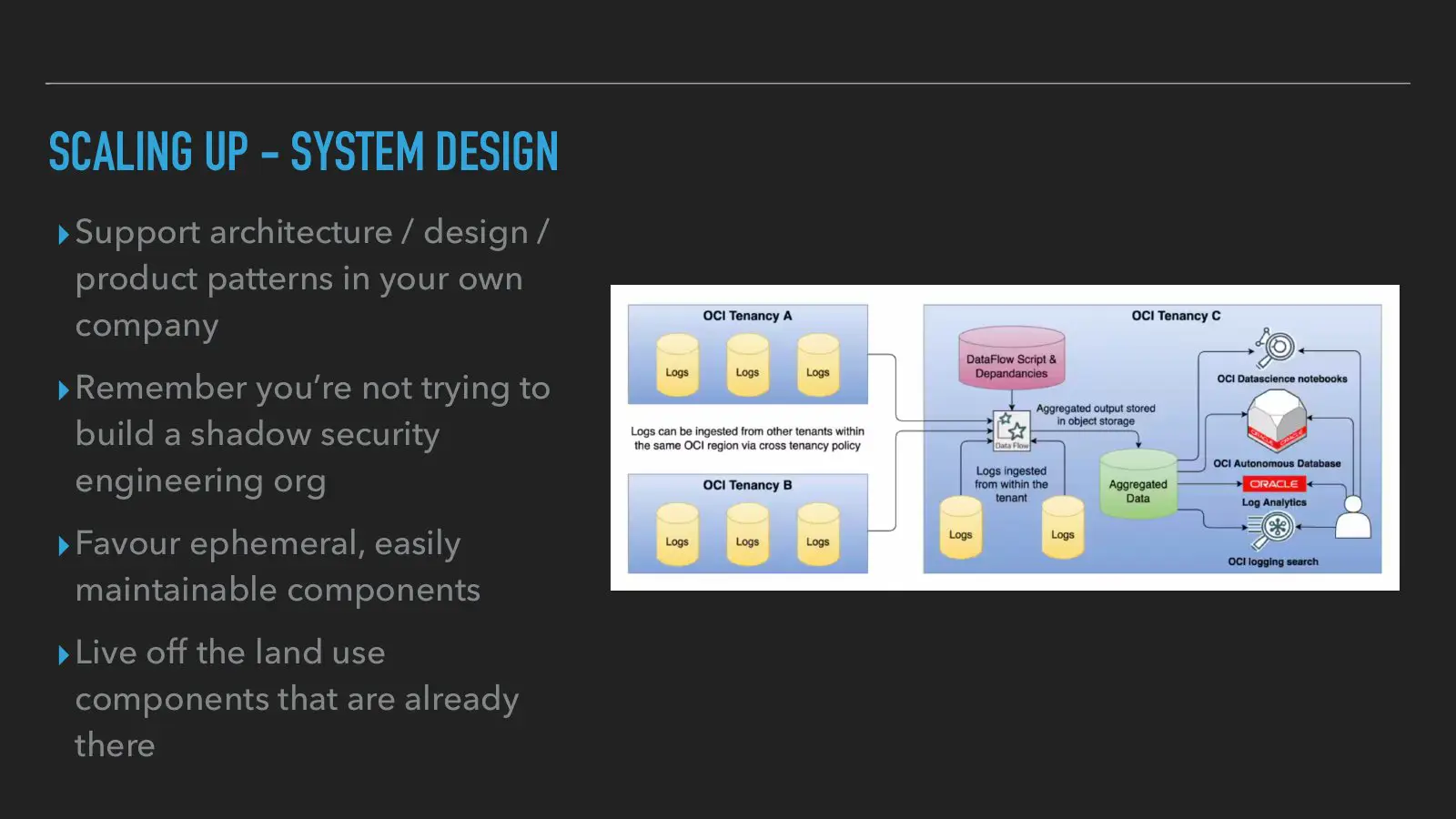
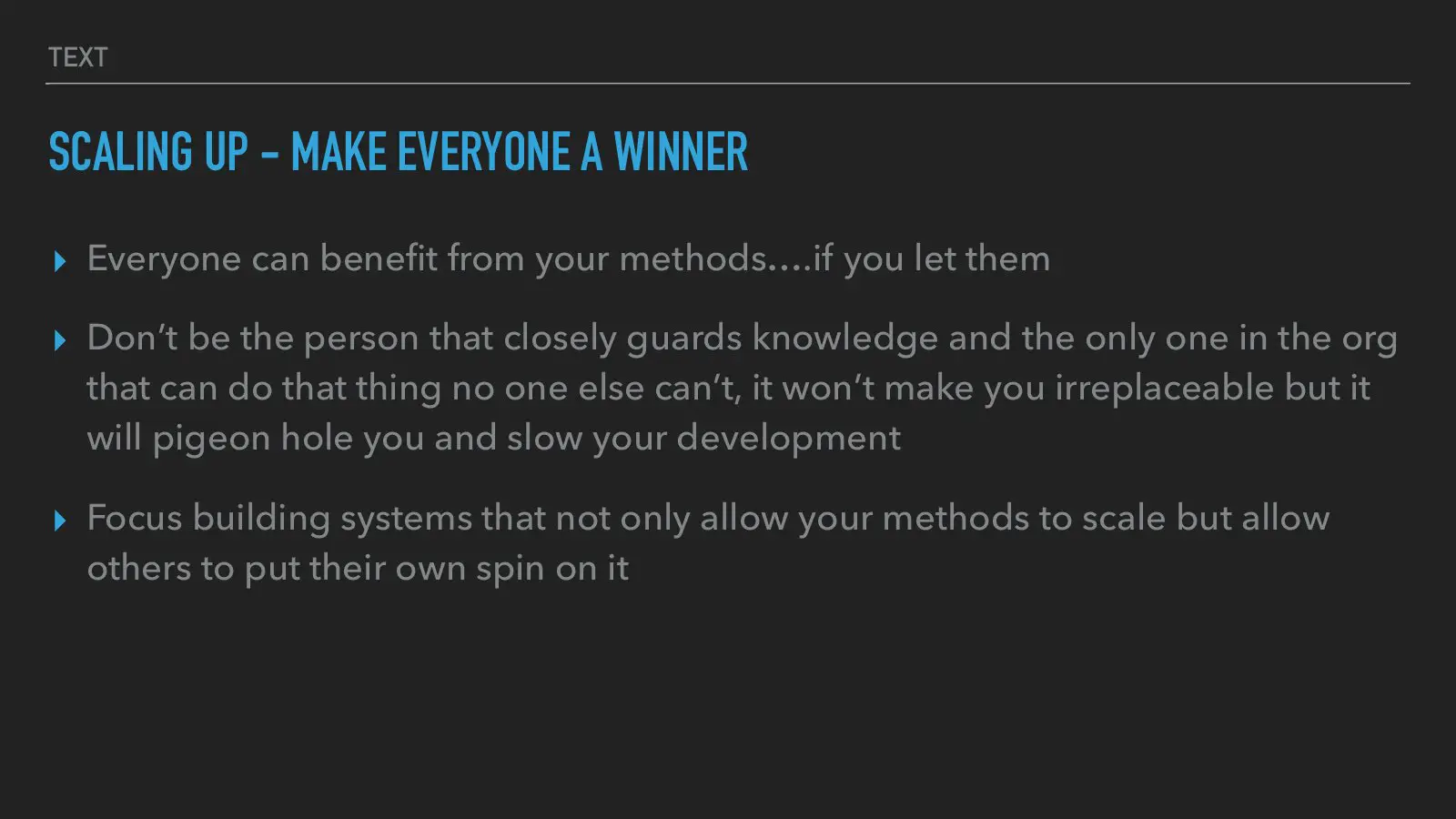
From there it comes down to three decisions. The first is to choose the question and the data together, which means looking past the alerts already arriving in the queue to operational records, metadata and custom collection, with enough breadth and depth to answer the question. The second is to decide when to stop, and to record what the evidence supports, what remains unknown and why the next step is or is not worth doing, so that a case is not closed quietly because attention moved elsewhere. The third is to make the method useful to colleagues, by building on the organisation’s existing systems and sharing the reasoning, so that somebody else can adapt the work without needing you in the room.
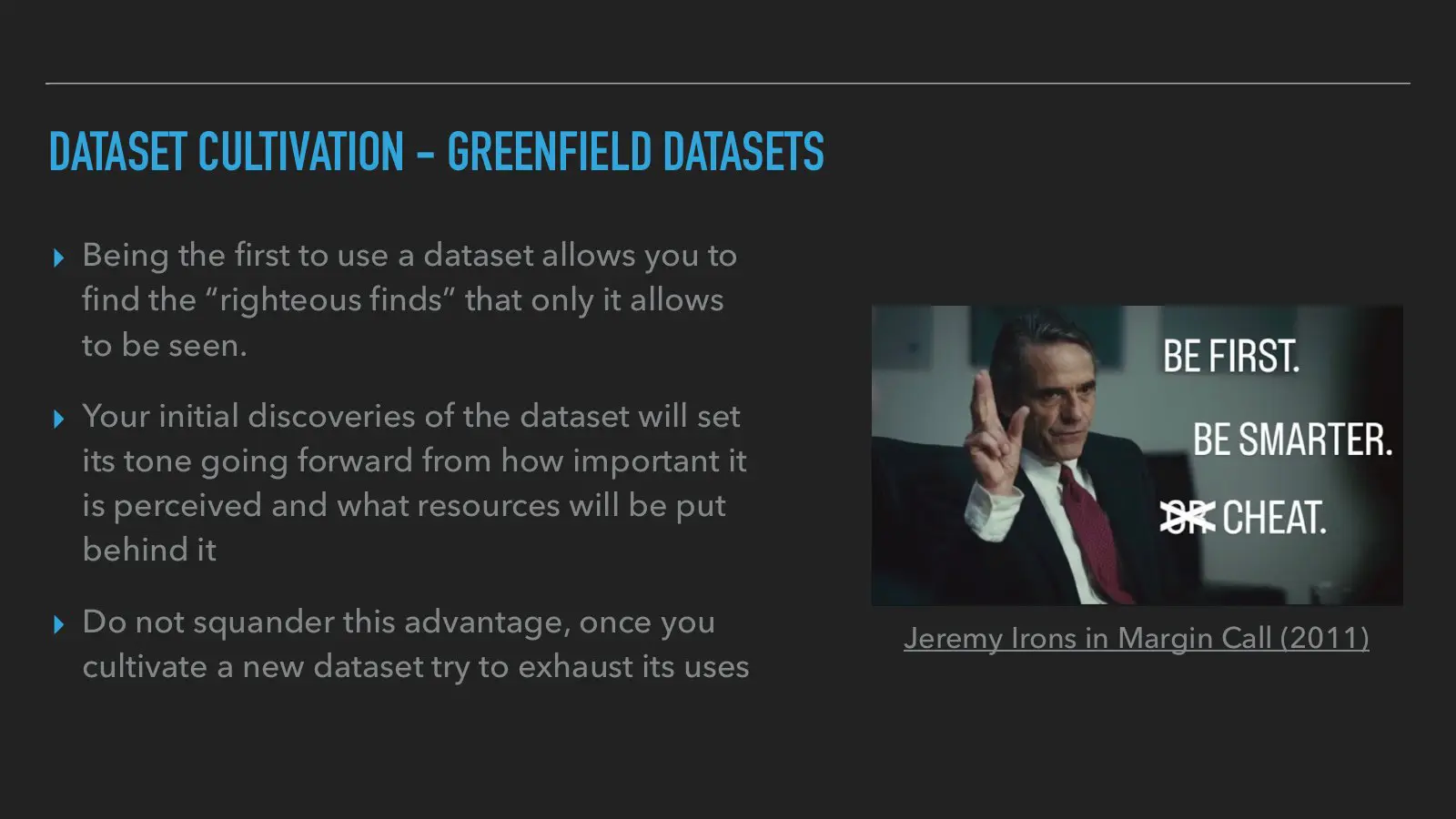
For example, if an investigation uncovers an overlooked dataset, the next decision is whether it can answer a recurring question for other analysts. That may justify a small, maintainable component or a documented method.
These are opinions from my own experience. I’m not saying every team needs a new job title. Logonomics develops the related question of which information is valuable enough to collect and keep.